



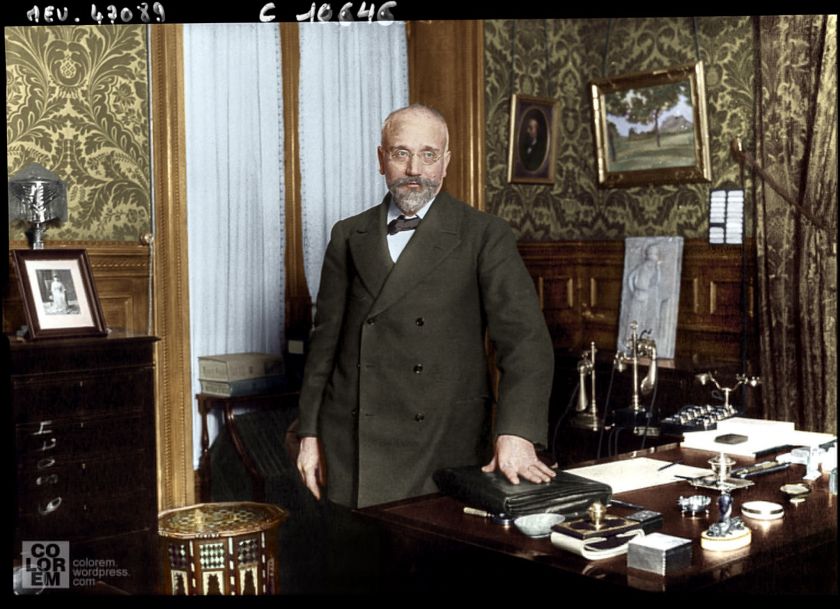
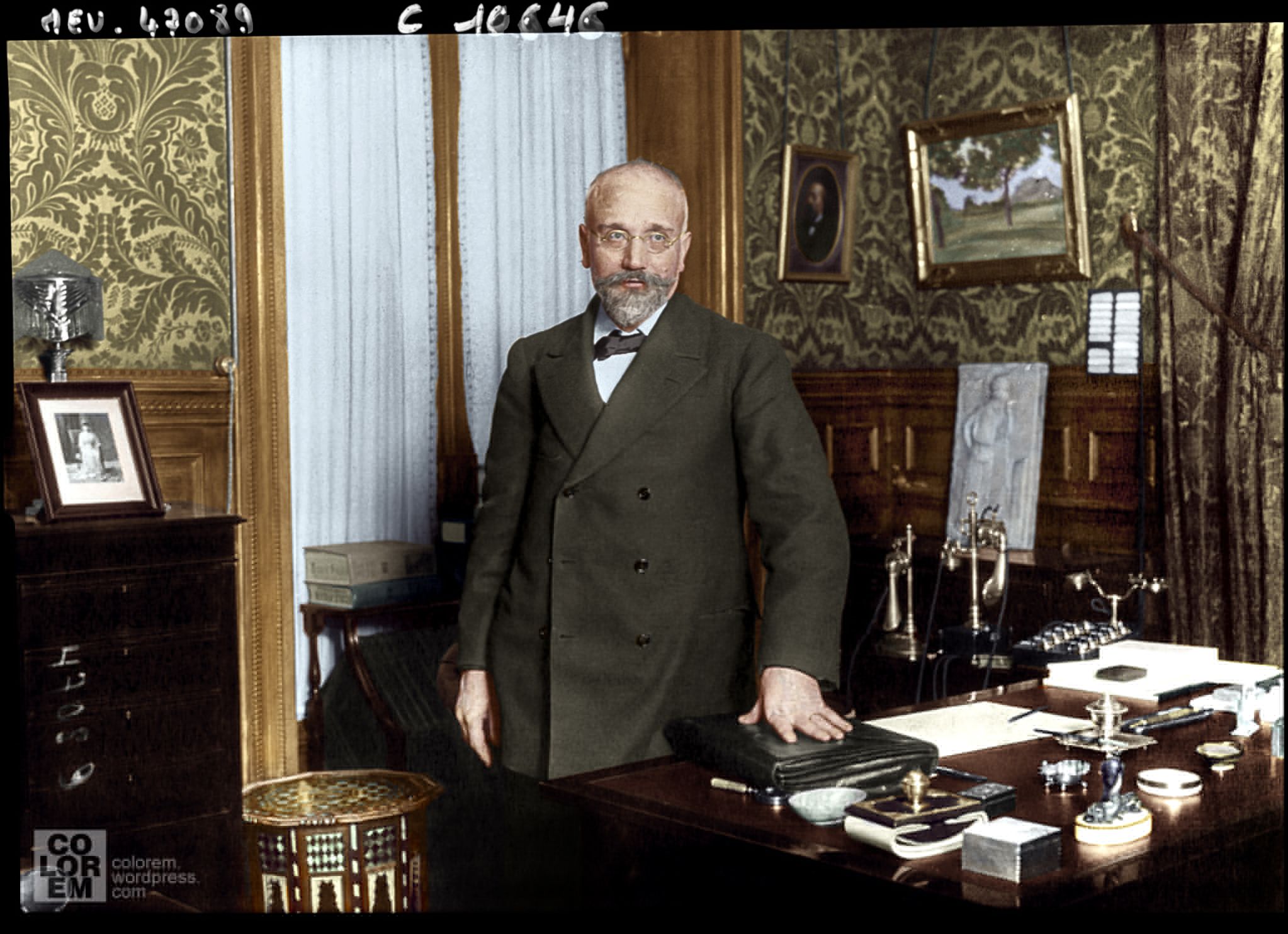
Eleftherios Venizelos (1864-1936), Greek statesman and diplomat:
Eleftherios Venizelos was probably the most significant politician of modern Greece. Born at Mournies, a village near Chania, he studied law in Athens and he became the leader of the Liberal Party in Crete. He became famous in the 1889 and 1896 uprisings for the freedom of Crete from the Ottoman Empire. Venizelos became the islands first independent prime minister in 1905 and the prime minister of Greece in 1910.
Eleftherios Venizelos has played a very important role in the history of Greece until 1930. Venizelos led the campaign for union of Crete with Greece (1913) and he supported the Balkan League against Turkey and Bulgaria. During the First World War Venizelos supported Britain, France and Russia against the Central Powers. He wanted Greece to give military aid to the Allies during the Dardanelles campaign, and when King Constantine I refused to agree, he resigned from office.
Venizelos was re-elected in March 1915. After his invitation to the Allied forces to Salonika he was dismissed by the king and he returned to Crete where he formed a provisional revolutionary government. In June 1917, King Constantine I was deposed and Venizelos regained power to lead the Greek war until the Armistice in November 1918. At the Versailles Peace Conference, Venizelos won substantial territorial gains from Bulgaria and Turkey.
Despite his achievements Venizelos was defeated in the 1920 General Election and the new government invited King Constantine I back to power. Venizelos became prime minister again in 1924, 1928-32 and 1933. In 1935 Venizelos came out of retirement to support another republican coup d'etat in Greece. When this failed Eleftherios Venizelos was forced to flee to France where he died in 1936.
Eleftherios Venizelos is buried in the Tombs of Venizelos Family in the village Akrotiri, next to Chania. His house, lying in the part of the city named Halepa, is planned to be converted to museum.
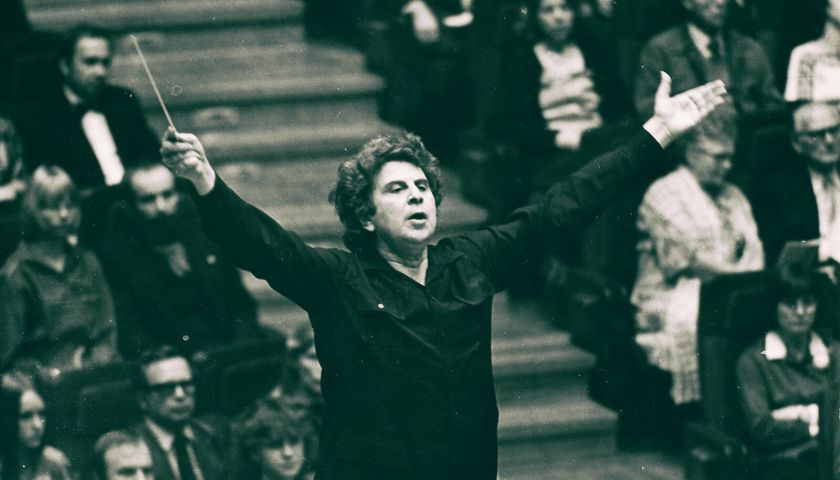
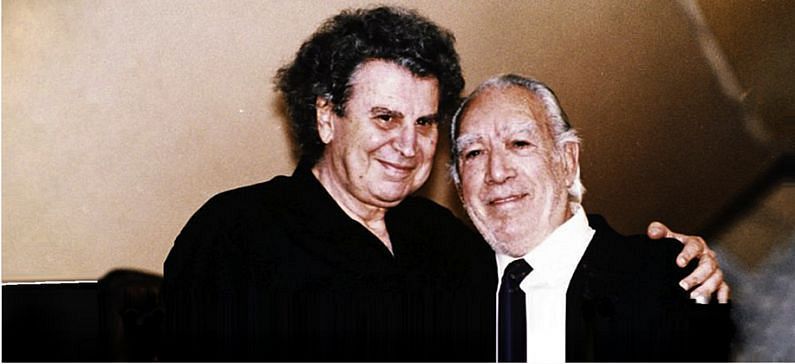
Mikis Theodorakis (1925-today), an artist of international fame:
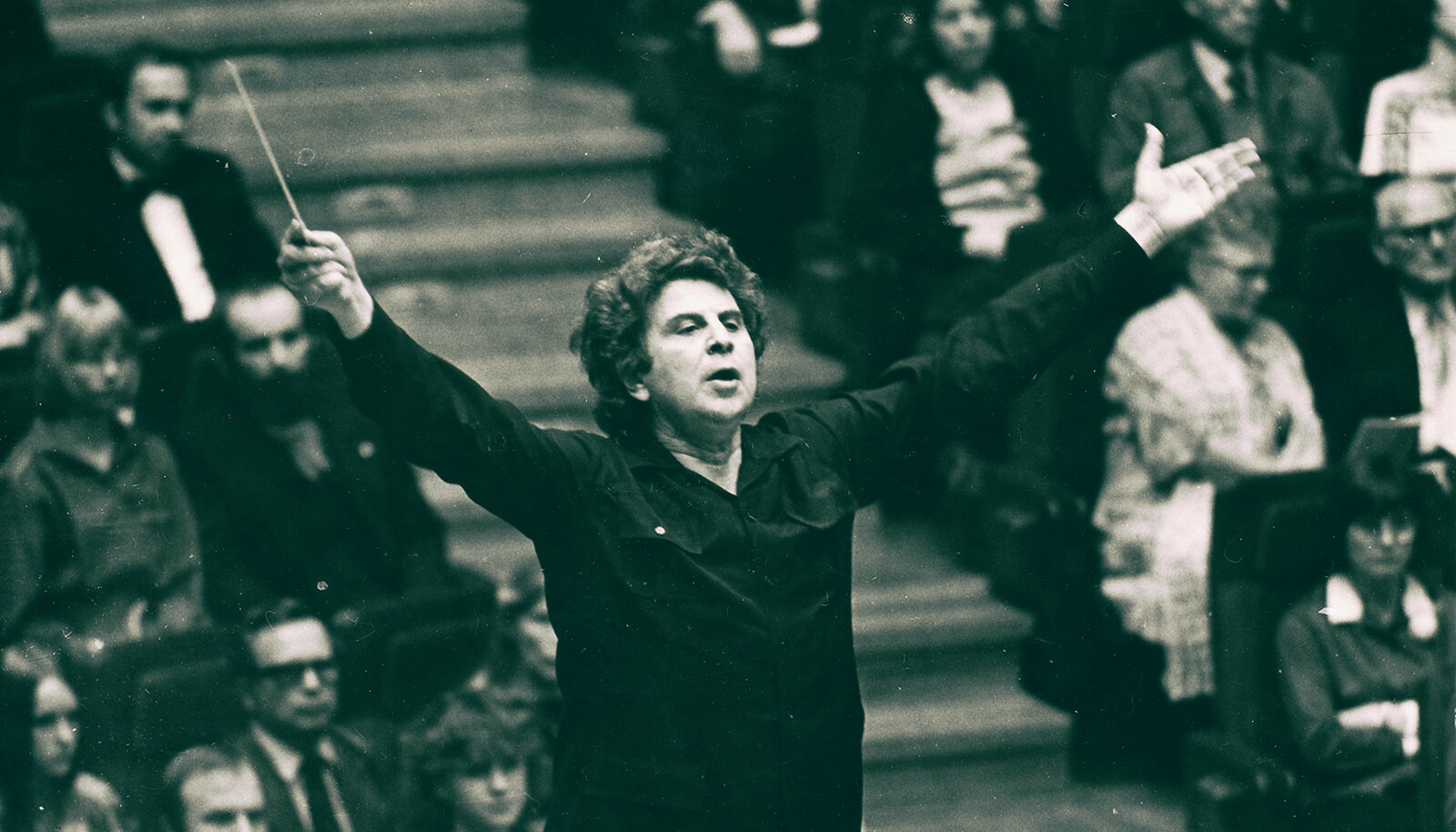
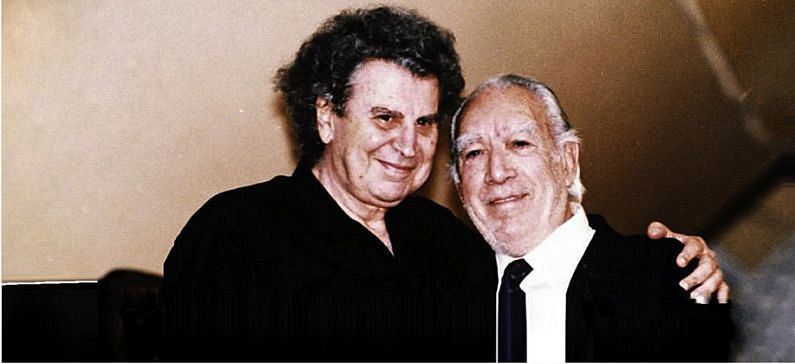
Theodorakis is an artist of international fame. He has composed more than 1000 songs, 5 symphonies, the ballets: "Greek Carnival", "Elektra", "Zorba", oratorios like: "The March of the Spirit" and "Canto General" four operas: "Kostas Karyotakis", "Medea", "Elektra" and now "Antigone", but also the Olympic anthem "Canto Olympico", and the film scores for "Phaedra", "Z", "Elektra", "Zorba the Greek"; "Serpico", "Iphigenia".
Mikis Theodorakis was born in the island Chios (29 July 1925) but he is of Cretan descent. From 1954 to 1960 he has been working in Paris and London as a symphonic music, ballet and film composer. From 1960 he supports the union of poetry and music in Greece, politically he resists to the military dictatorship (1967-74) and becomes member of the Greek Parliament several times.
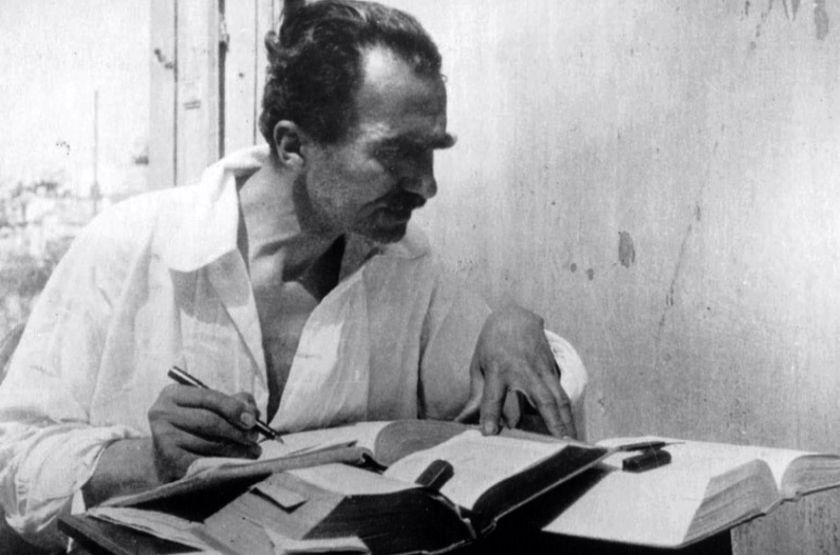
Nikos Kazantzakis (1883-1957), one of the most important Greek writers, poets and philosophers:
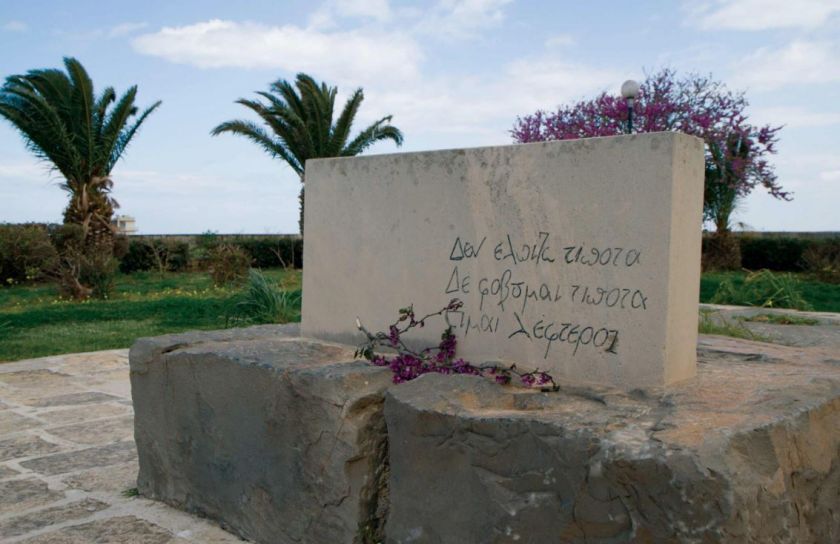
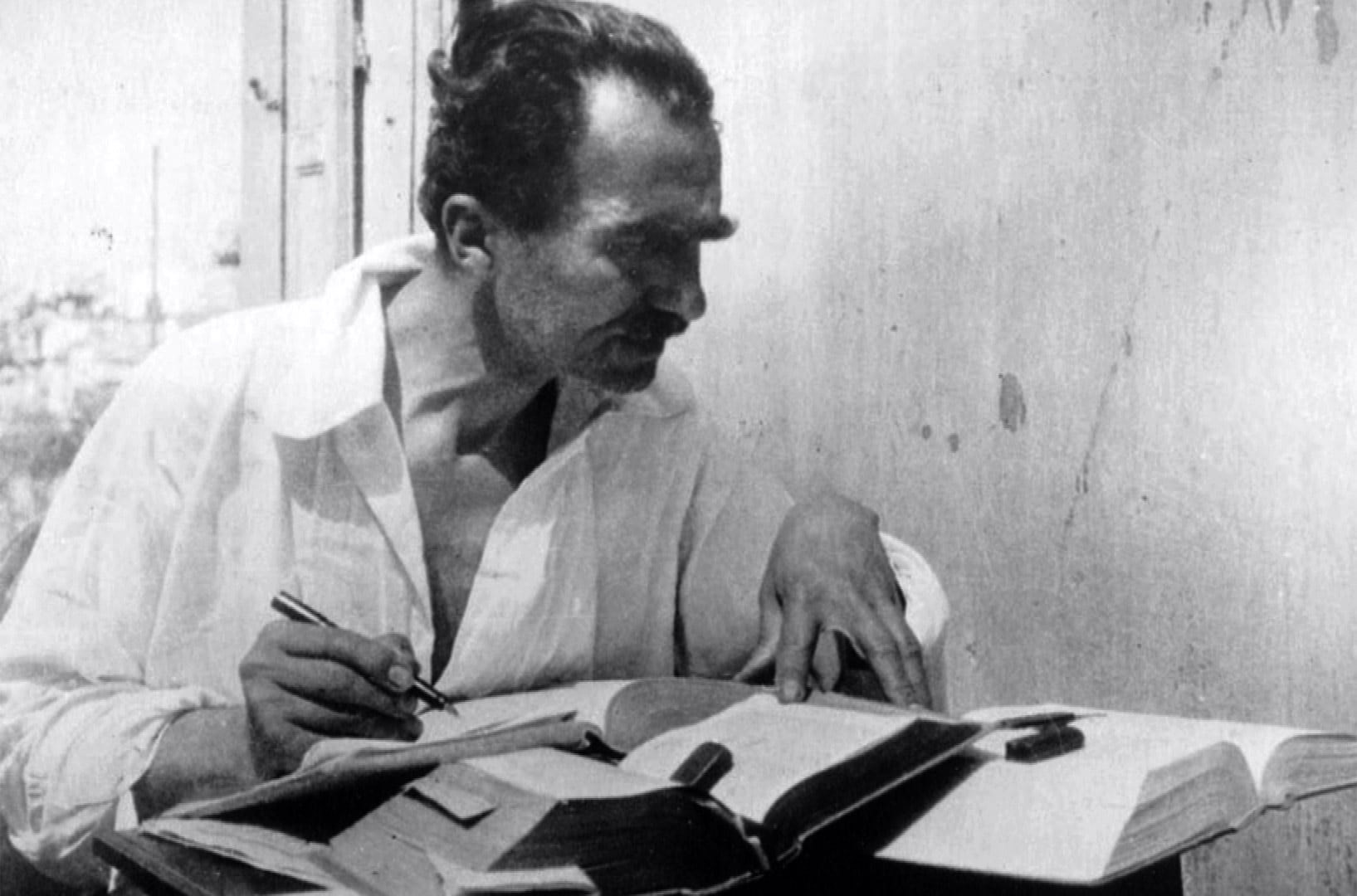
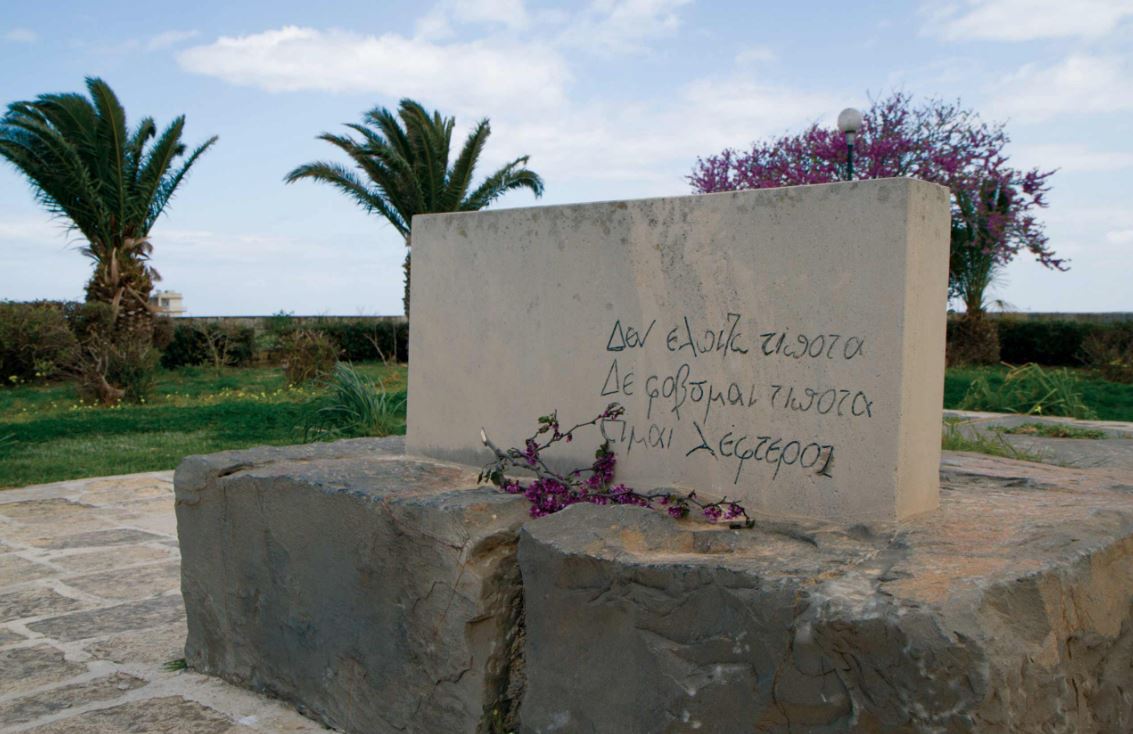
Nikos Kazantzakis was born in Heraklion and he was one of the most important Greek writers, poets and philosophers of the 20th century. He is famous for his novel Alexis Zorbas, which is translated in English and has become a movie. His humanist views led the Orthodox Church to excommunicate him. "I hope for nothing. I fear nothing. I am free." are some of his heretic concepts.
Nikos Kazantzakis graduated from the Athens Law School and continued his studies in Paris (1907-1909). He fought in the Balkan Wars as a volunteer in the Greek Army. After the Wars he travelled to many European and Asian countries, publishing travelogues from his trips. He was much more of a philosopher than a writer and he was deeply influenced by Nietzsche and Bergson as well as the philosophies of Christianity, Marxism and Buddhism.
In 1927 he published the book of philosophy "Askitiki". In 1938, after constantly revising it for 13 years (1925-1938), he publishes his epic poet Odyssey: A modern sequel, continuing Ulysses's story from the point where Homer leaves off. During the last years of his life Nikos Kazantzakis turns to pezography, where he becomes famous. He published Zorba the Greek, The Last Temptation of Christ, Freedom and Death, The Greek Passion, and his autobiography Report to Greco. In 28th of June 1956, in Vienna, he was awarded the International Peace Award.
There is a room devoted to Nikos Kazantzakis in the Historical Museum of Crete. A complete picture of Nikos Kazantzakis life and work can also be acquired by a visit to the Nikos Kazantzakis Museum at the village Myrtia, next to his father's house.
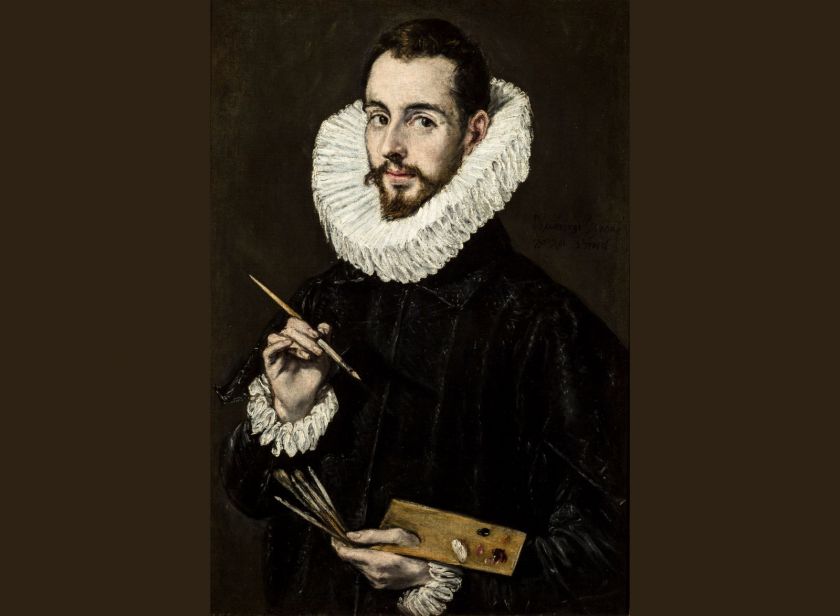
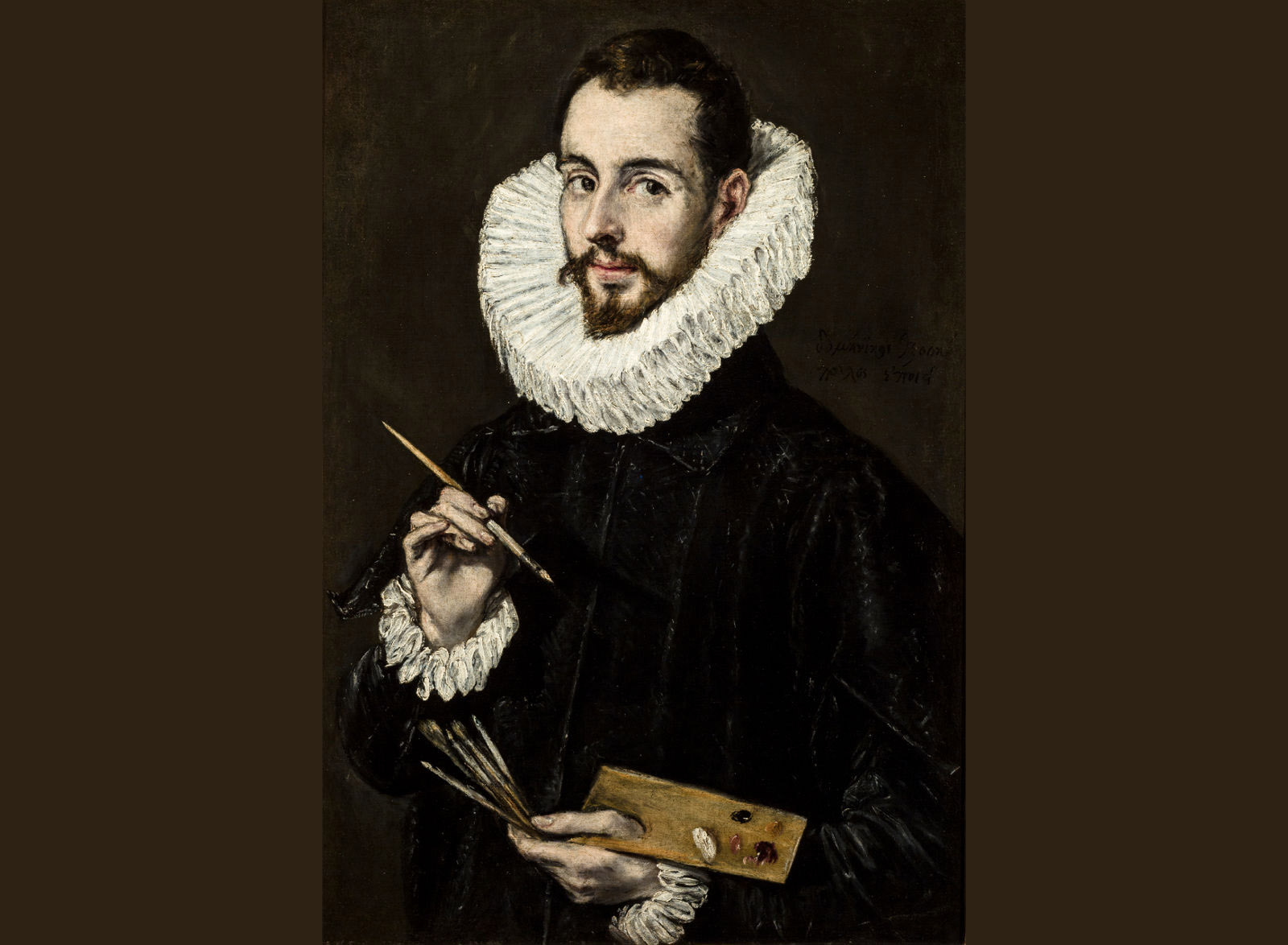
Domenico Theotokopoulos (El Greco, 1541-1614), a great painter, sculptor and architect:
El Greco is Cretan-born painter, sculptor, and architect who settled in Spain and is regarded as the first great genius of the Spanish School. He was one of the greatest Mannerist.
El Greco studied the icon painters of the Cretan school and he traveled between Venice (he studied under Titian), Rome (influenced by Michelangelo), and Spain (settling in Toledo).
The Christian doctrines of Spain made a crucial impact on his approach to painting, and his art represents a blend of passion and restraint, religious fervour and Neo-Platonism, influenced by the mysticism of the Counter-Reformation.
El Greco's only painting in Crete is exhibited in the Historical Museum in Knossos.
Michalis Damaskinos (1530-1591):
He is the best known painter of the Cretan school icon painters (1530-1591 AD). His works combined elements of Byzantine and Renaissance art. These icons are now exhibited in the Museum of Religious Art in Iraklion.
King Mino(a)s:
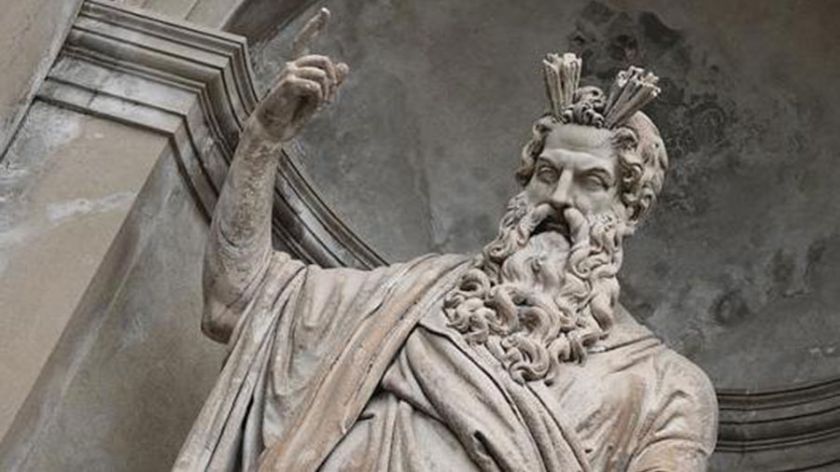
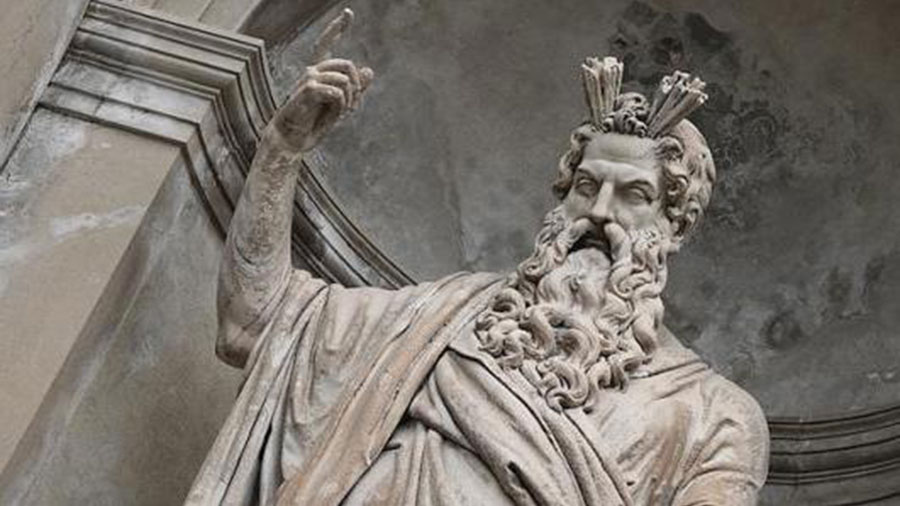
The legendary Minos is probably a composite of many Minoan Kings whose fame lasted for centuries after their death. According to greek Mythology, Minos was the first King in world, who made wise legislations and army nave, with which Minos won the barbarians in Aegean Sea and allowed the Cretans to make the Minoan Civilization. He is regarded as the son of Zeus, the king of the gods, and Europa, a personification of the continent of Europe.
Minos obtained the Cretan throne by the help of the Greek god Poseidon and he
gained control over the Aegean islands. He married Pasiphae, the daughter of the
Sun who bore him Androgeos, Ariadne, and Phaedra, and who was also the mother of the Minotaur. Minos successfully warred against Athens and Megara to revenge the death of his son Androgeos, who was killed by them. After that Minos became the tyrannical exactor of the tribute of children to feed the Minotaur until Theseus managed to kill him. Minos was killed in Sicily by the daughters of King Cocalus, who poured boiling water over him as he was taking a bath. He is said to have become a judge in Hades after his death.